Chiswick House bulky waste collection guide
Posted on 16/07/2026
If you are dealing with an old sofa, a broken wardrobe, a mattress that has seen better days, or a pile of mixed household clutter, a clear Chiswick House bulky waste collection guide can save you time, stress, and a fair bit of back-and-forth. The tricky part is not just getting rid of large items. It is working out what can be collected, how to prepare it, what to avoid, and when a different disposal route makes more sense.
That is exactly what this guide is for. You will find a practical breakdown of how bulky waste collection usually works in and around Chiswick House, how to plan a collection without last-minute surprises, what common mistakes catch people out, and how to choose the most sensible option for your situation. Simple enough on the surface. Slightly fiddly in real life, as these things tend to be.
Whether you are clearing a flat after a move, replacing furniture, or just trying to reclaim some space, this guide will help you make a cleaner decision and avoid unnecessary delays.

Why Chiswick House bulky waste collection guide Matters
Bulky waste is one of those jobs that looks easy until the item is halfway into the hallway and you realise it will not fit down the stairs. That is when people start searching for a proper bulky waste collection guide rather than guessing their way through it. In a busy part of West London, where access can be awkward, parking can be limited, and shared entrances are common, planning matters more than people expect.
The value of a local guide is practical. It helps you avoid missed collections, unnecessary charges, and the classic "we thought it would be fine" problem. In our experience, the biggest headaches come from poor preparation: items left unseparated, doors not measured, lifts too small, or residents assuming every large item can be taken the same way. They cannot. Not always.
It also matters because bulky waste is not just about clearing space. It affects safety, shared property standards, neighbour relations, and the wider responsibility to dispose of waste properly. If one person leaves a broken bed frame in a communal area for three days, everybody notices. The smell, the obstruction, the awkward email from the building manager. You know the sort of thing.
Done well, bulky waste collection is fast, tidy, and almost boring. And boring is good here.
How Chiswick House bulky waste collection guide Works
At a basic level, bulky waste collection means arranging for large household items to be taken away by a collection service rather than putting them into a normal bin. The exact process depends on the provider and the item type, but most collections follow a similar pattern: identify what needs removing, check whether it is accepted, prepare the items, book a slot, and make sure the waste is accessible on the day.
A sensible Chiswick House bulky waste collection guide should also explain that bulky waste is not one thing. A sofa, a fridge freezer, a dismantled wardrobe, and a pile of broken flat-pack furniture may all be treated differently. Some items need special handling because of weight, upholstery, electrical parts, or contamination. Others are fine as long as they are clean and safe to move.
Usually, the collection process works best when items are grouped clearly. For example, one pile for furniture, one for electricals, one for small loose parts, and one for anything that may need special attention. That kind of split saves time on collection day and reduces the chance of refusal. Refusal is frustrating. Nobody likes seeing the van arrive and then leave with half the job still there.
If you are dealing with mixed household waste, it may also help to think about whether the item can be reused, donated, or broken down before collection. A table with detachable legs is much easier to manage than a whole dining set shoved awkwardly into a corner.
Key Benefits and Practical Advantages
A good bulky waste collection setup gives you more than an empty room. It gives you clarity. That may sound a bit grand, but it is true. Once the item is properly planned for removal, the rest of the process becomes calmer.
- Less manual stress: Large items are awkward, and sometimes surprisingly heavy. A clear plan reduces the number of times you need to move them.
- Cleaner communal spaces: In flats, estates, or shared access areas, removing bulky waste quickly helps keep entrances and corridors usable.
- Better timing: When you know the collection method in advance, you can coordinate around work, school runs, delivery windows, or moving day.
- Reduced risk of damage: Furniture dragged through narrow halls or down stairwells can mark walls, doors, and floors. It happens fast.
- More responsible disposal: Large waste often contains materials that need proper sorting or separate handling.
There is also the simple benefit of getting your space back. A spare room becomes usable again. The balcony stops looking like a storage depot. The garage becomes a garage, which feels almost luxurious in London. Truth be told, that feeling of a cleared space can be oddly energising.
Practical takeaway: The best bulky waste plan is the one that removes items safely, avoids rejection on the day, and keeps the property tidy from start to finish.
Who This Is For and When It Makes Sense
This guide is useful for homeowners, tenants, landlords, letting agents, estate managers, and anyone clearing a property in or around Chiswick House. It is especially relevant if you have a bulky item that is too large for normal disposal, too awkward for a standard bin collection, or too time-sensitive to sit around waiting for a vague solution.
Common situations include:
- moving out of a flat and needing to clear unwanted furniture
- replacing mattresses, sofas, wardrobes, or office furniture
- clearing a rental property between tenants
- dealing with post-renovation clutter that is too large for standard bins
- emptying a storage room, garage, or outbuilding
- handling a one-off item that has no obvious disposal route
It also makes sense if you are managing a property with shared access. In those settings, the timing and presentation of the waste matter nearly as much as the disposal itself. One item left in the wrong place can create friction with neighbours or building management. Nobody wants that phone call on a Friday afternoon.
If you are unsure whether you need a bulky collection, ask yourself a simple question: Would this item realistically fit into a normal bin or be carried out in a single bag? If the answer is no, bulky waste is probably the right category.
Step-by-Step Guidance
Here is a straightforward way to handle a bulky waste collection without turning it into a mini project.
1. Identify every item clearly
Make a list before you book anything. Write down exactly what needs to go. Not "old stuff from spare room." Be specific. "One double mattress, one two-seater sofa, one broken chest of drawers, and two side tables" is much more useful.
2. Check the condition and material type
Some items are straightforward, while others may need special handling. Electrical items, upholstered furniture, and anything contaminated by mould, liquids, or pests can be treated differently. If an item smells damp or has started to warp, mention it early. It saves confusion later.
3. Measure access routes
This is the step people skip most often. Measure door widths, stair turns, lift dimensions, and any awkward corners. If a wardrobe came in flat-packed, that does not mean it will come out in one piece. Sometimes it will. Often it will not.
4. Decide whether items should be dismantled
Breaking down furniture can make collections easier, but only if it is done safely and neatly. Loose screws, nails, and splintered panels can create hazards. Keep all hardware together if possible, and do not leave sharp edges exposed.
5. Separate recyclable or reusable items where possible
If some pieces can be reused, donated, or repurposed, set them aside before the collection. This keeps the load simpler and may reduce waste overall. A chair with a broken leg is not the same as a chair that is perfectly serviceable but no longer wanted.
6. Book the collection at the right time
Choose a slot that gives you enough time to prepare the items and enough space to place them safely. If there is a lift booking system, concierge approval, or parking restriction, plan around it rather than hoping it will sort itself out. It rarely does.
7. Place items exactly where requested
On the day, put the items where the collection team can reach them easily and safely. Dry, visible, and unobstructed is the goal. If you leave them behind a locked gate or behind stacked boxes, you may create avoidable delays.
8. Do a final walk-through
Before the collection leaves, check that everything intended for removal has gone and that no screws, glass, or fragments remain. A quick sweep now saves irritation later.
Expert Tips for Better Results
Small habits make a big difference with bulky waste. The work itself is often straightforward; the planning is where people win or lose time.
- Take photos before booking: It sounds basic, but a picture helps clarify size, condition, and quantity. Especially useful with mixed items.
- Keep items dry: Wet waste can be heavier, messier, and more awkward to move. If rain is forecast, cover items where sensible.
- Remove loose contents: Empty drawers, cushions, and bagged rubbish before the collection. A sofa stuffed with unrelated clutter is a hassle nobody needs.
- Group similar items together: Furniture with furniture, electricals with electricals. It makes the job smoother and quicker.
- Plan for building rules: If you live in managed property, check lift use, loading bay access, and collection windows in advance.
One useful habit is to overestimate the space and effort needed, just a little. That way, when the collection goes smoothly, you feel ahead of schedule rather than scrambling because the mattress caught on the bannister. We have all seen collections go sideways because someone thought "it'll be fine." Famous last words, really.
Also, if you have multiple bulky items but only one is urgent, prioritise the one causing the most disruption. It might be the broken sofa blocking a room or the fridge freezer that has started taking up half the kitchen. Clear the biggest problem first.

Common Mistakes to Avoid
Most bulky waste problems are avoidable. The tricky bit is that they look small until they create a bigger mess.
- Booking before measuring access: A collection can fail if the item cannot physically be moved from the property.
- Mixing accepted and non-accepted items: Putting the wrong thing in the pile can delay the whole job.
- Leaving items in the wrong place: A hallway, fire exit, or blocked pavement is not a safe staging area.
- Forgetting about sharp edges or broken glass: Safety matters, even for "just a bit of old furniture."
- Assuming dismantling is always better: Not always. Poorly dismantled items can be more awkward than the original piece.
- Not confirming timing: A collection scheduled during a busy loading period or resident access window can turn into a headache.
A smaller but common mistake is underestimating quantity. A few loose items can quickly become a van-load once you start clearing cupboards. Then there is the classic "we found a few extra things while we were at it." It happens. More often than people admit.
If there is any doubt about a particular item, flag it early. Surprises on the day are bad for everyone involved.
Tools, Resources and Recommendations
You do not need a huge toolkit for bulky waste, but a few basic items make the process far easier.
- Measuring tape: Essential for checking doors, corridors, and lift space.
- Marker pen and labels: Helpful if you are sorting items into piles or tagging what stays and what goes.
- Gloves: A simple precaution for lifting, dismantling, or handling dusty furniture.
- Blankets or protective covers: Useful when moving items through tight spaces and protecting walls or floors.
- Screwdriver or basic hand tools: Handy if an item can be safely dismantled before collection.
- Phone camera: Good for documenting items, access points, and any awkward restrictions.
For recommendations, the best approach is to prepare the waste before collection rather than trying to sort everything at the kerbside. Keep the load neat, keep pathways open, and avoid stacking items in a way that makes them unstable. That is the kind of thing that looks harmless until it topples.
If you manage waste regularly for a property or business, it can help to keep a simple clearance checklist on file. Nothing fancy. Just a repeatable note on item types, building access, booking times, and who is responsible for moving what.
Law, Compliance, Standards, or Best Practice
For bulky waste, the main compliance concerns are usually straightforward: waste should be handled safely, not dumped illegally, and not left in a way that creates a hazard or nuisance. In the UK, the practical expectation is that waste is transferred to an appropriate, lawful disposal route and that the person arranging removal understands what they are handing over. That is the broad principle. The exact requirements can vary by item type and situation.
Best practice is to treat bulky waste as part of responsible property management, not just a clearance task. That means:
- confirming what is being removed
- keeping access routes clear and safe
- separating items where sensible
- avoiding fly-tipping or informal dumping
- handling electrical or potentially hazardous items with care
If you are dealing with rented property, managed buildings, or shared spaces, it is also wise to respect building rules and collection windows. Even when a disposal job is small, property access rules can still trip people up. A ten-minute job can become a two-day nuisance if access is not planned. Strange but true.
Where specialist handling may be needed, it is better to ask early than guess. If an item contains electrical components, sharp materials, or contamination, it may not belong in a standard general bulky load. Better to check than to create a mess that needs sorting again later.
Options, Methods, or Comparison Table
There is more than one way to deal with bulky waste, and the right choice depends on speed, volume, access, and item type. Below is a simple comparison to help you think it through.
| Option | Best for | Advantages | Watch-outs |
|---|---|---|---|
| Bulky waste collection | Single items or mixed household bulky items | Convenient, quick, and practical for most common clearances | Needs good preparation and clear access |
| Reuse or donation | Usable furniture and appliances | Reduces waste and gives items a second life | Only works if the item is in acceptable condition |
| Self-transport | Small volumes and accessible vehicles | Can be flexible and direct | Requires time, lifting ability, and a suitable vehicle |
| Full clearance service | Larger or more complex clear-outs | Useful when there are many items or tight deadlines | May be more involved than a simple collection |
For a one-off sofa, a bulky collection is usually the simplest option. For a room full of mixed items, a fuller clearance approach may be less stressful overall. And if the item is still in good condition, reuse is worth considering first. Why throw out something someone else could still use?
Case Study or Real-World Example
Imagine a small flat near Chiswick House where a tenant is moving out on a Friday afternoon. There is a mattress, a broken desk, two bedside tables, and a sofa that will not fit through the hallway unless it is partially dismantled. The corridor is narrow, the lift is shared, and the building manager wants everything cleared before the weekend. Classic.
The tenant starts by measuring the door and lift, then takes photos of each item. The sofa is checked for detachable parts, the desk is broken down into safer sections, and loose screws are bagged and taped to the main frame. The items are grouped neatly in one corner of the flat and moved to the agreed collection point early on the day. No blocked access. No last-minute panic. Just a smooth handover.
Now compare that with a rushed version: items left outside the flat unlabelled, one broken chair hidden behind boxes, and a mattress sitting in the wrong spot near a fire exit. That second version creates delays, awkward conversations, and possibly an unsuccessful collection. Same waste, very different outcome.
The lesson is simple. Most of the success comes from preparation, not effort on the day. A little order up front goes a long way. Honestly, that is half of life in property clearance.
Practical Checklist
Use this checklist before collection day:
- Identify every bulky item clearly
- Check whether any item needs special handling
- Measure doors, stairs, lifts, and access routes
- Decide whether anything should be dismantled safely
- Remove loose contents, cushions, or drawers
- Separate reusable items from true waste
- Confirm booking time and access arrangements
- Make sure items are placed where they can be collected safely
- Keep pathways, exits, and shared areas clear
- Do a final sweep for screws, glass, and debris
Quick reminder: if you are not sure whether an item is suitable for collection, check before the day rather than hoping for the best. Hope is not a plan.
Conclusion
A well-planned bulky waste removal should feel calm, not chaotic. The best Chiswick House bulky waste collection guide is one that helps you identify the items, prepare them properly, understand access issues, and avoid common mistakes that waste time. That is the real win here: less hassle, fewer surprises, and a cleaner result.
If you are clearing a single item, take the time to measure and sort it properly. If you are managing a bigger move or a shared property, build a little extra margin into the plan. It really does make life easier. And once the space is clear, you will feel it straight away when you walk in and hear that quiet, empty-room echo. Small thing, maybe. But a good one.
Get a free quote today and see how much you can save.



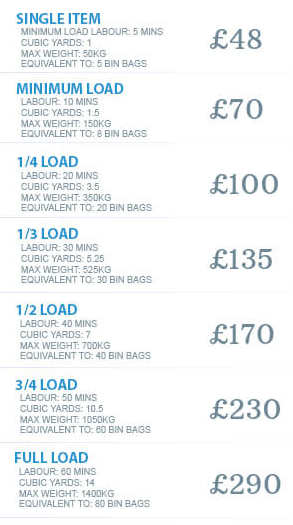
 Tipper Van - Rubbish Removal and Office Clearance Prices in Chiswick, W4
 Luton Van - Rubbish Removal and Office Clearance Prices in Chiswick, W4