Garden waste removal Chiswick High Road tips
Posted on 26/08/2026
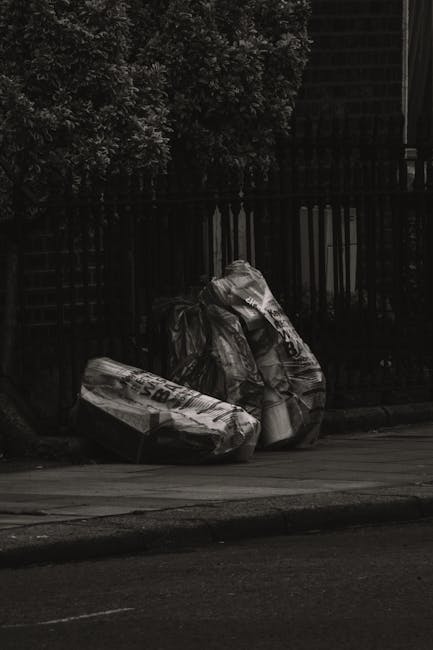
If your garden has started to look a bit unruly, you are not alone. Between hedge cuttings, lawn clippings, ???? no-just the usual pile-up of branches, soil, old planters, and the odd broken trellis, garden waste removal on Chiswick High Road can quickly become more hassle than you expected. The good news is that with the right approach, it is straightforward, tidy, and much less stressful than leaving bags outside for days. This guide gives you practical Garden waste removal Chiswick High Road tips you can actually use, whether you are clearing after a big prune, getting ready for a move, or simply trying to reclaim your patio before the weekend.
Below, you will find a clear breakdown of how garden clearance works, what to avoid, how to prepare waste properly, and when it makes sense to book a professional collection. There is also a checklist, a comparison table, and a few real-world pointers that make life easier on a busy road where space is limited and timing matters.
- Why it matters
- How it works
- Key benefits
- Who needs this
- Step-by-step guidance
- Expert tips
- Common mistakes
- Tools and resources
- Law, compliance, and best practice
- Options and comparison
- Case study
- Checklist
- Conclusion
- Frequently asked questions
Why Garden waste removal Chiswick High Road tips Matters
Garden waste sounds harmless enough until it starts taking over your outdoor space. A few bags of cuttings can become a damp, heavy, awkward heap that smells earthy at first, then not so fresh after a wet day. On Chiswick High Road, where front access can be tight and traffic never seems to fully switch off, the way you handle garden waste matters even more. You need a plan that is efficient, tidy, and considerate of neighbours.
It also matters because garden waste is not the same as ordinary household rubbish. Green waste can often be recycled or composted separately, while mixed loads may need different handling. Get it wrong and you can end up with extra lifting, wasted space, or a collection that is less cost-effective than it should be. That is why garden waste removal Chiswick High Road tips are really about organisation as much as disposal.
There is also the local reality. Houses, flats, and mixed-use properties around the High Road often have limited storage, shared access, and very little room for a skip or a long keep-clear arrangement. A sensible removal plan saves time, keeps pathways clear, and avoids that awkward moment when your pile of branches is still sitting there two days later, looking increasingly dramatic.
How Garden waste removal Chiswick High Road tips Works
At its simplest, garden waste removal is the process of collecting organic and non-organic outdoor debris and taking it away for recycling, disposal, or sorting. In practice, the process works best when you separate materials before collection. Green waste such as grass, leaves, pruning trimmings, and small branches is usually easier to handle when it is kept apart from soil, stones, and hard landscaping debris.
A typical process looks like this:
- Sort the waste into green waste, heavy waste, and items that should not go in the same load.
- Bag or bundle the material so it is easy to lift and safer to move.
- Check access for gates, side passages, kerbs, and parking restrictions.
- Book the collection or arrange your own transport if the load is small.
- Load and clear the waste quickly, ideally without leaving a mess behind.
If you are using a professional service, a good operator will usually want to know the type of waste, approximate volume, and any access issues before arriving. That part matters more than people think. One extra question about a narrow alley or a flight of steps can make the whole job smoother. Quite a lot smoother, actually.
For broader context on what a full-service approach can include, the services overview is a useful place to understand how garden clearance often sits alongside general waste and heavy-item removal.
Key Benefits and Practical Advantages
People usually think of garden waste removal as a cleanliness task. Fair enough. But there are several practical benefits that matter just as much, especially around a busy stretch like Chiswick High Road.
- More usable outdoor space: Once the waste is gone, you can actually see the garden again.
- Safer paths and patios: Loose branches, wet bags, and hidden clippings can be slippery underfoot.
- Better presentation: Important if you are renting, selling, or just want the place to feel cared for.
- Less strain: Heavy sacks, damp soil, and awkward branches can be surprisingly hard work.
- Improved recycling: Sorting green waste well makes it easier to handle responsibly.
- Faster turnaround: A clear, organised pile is quicker to remove and less disruptive for everyone nearby.
There is a quieter benefit too: peace of mind. You stop looking at the pile every time you open the curtain. That sounds minor, but anyone who has had a stack of hedge trimmings sat outside for a week knows the feeling. It nags at you.
If sustainability matters to you, it is worth reading about the company's wider recycling and sustainability approach before you book.
Who This Is For and When It Makes Sense
Garden waste removal is not just for people with large gardens. In fact, on Chiswick High Road, many jobs come from smaller spaces where even a modest amount of debris causes a disproportionate amount of inconvenience. A single pruning session can leave you with more waste than expected, especially if you have climbed ladders, cut back shrubs, or dug out old borders.
This is especially relevant if you are:
- preparing a property for viewings or a sale
- doing a seasonal tidy-up in spring or autumn
- clearing after landscaping work
- replacing old fencing, sleepers, or planters
- managing waste from a communal garden
- trying to avoid repeated trips to the tip, which is not exactly a fun Saturday
It also makes sense if you are handling mixed waste and want a single collection rather than several smaller ones. If you are unsure whether your load is more like garden waste or general rubbish, a combined approach may be simpler. A lot of people end up choosing a broader waste removal option when the garden project has spilled into old pots, broken materials, and other bits that do not fit neatly into green bags.
For home projects that grow legs, the related rubbish clearance and junk removal pages may also be useful reading if your clear-out extends beyond the garden.
Step-by-Step Guidance
Here is the simplest way to stay organised. It is not fancy, but it works.
1. Walk the garden before you start
Take a slow look around and identify what you actually need to remove. A lot of wasted effort starts here. People often underestimate the amount of soil, root mass, or woody cuttings they have. Note anything sharp, heavy, muddy, or awkward.
2. Separate your materials
Split waste into sensible groups. Keep green waste apart from hard materials where you can. For example:
- grass cuttings, leaves, and hedge trimmings
- branches, stems, and prunings
- soil, turf, and compost
- plant pots, broken tools, or damaged outdoor items
This makes loading faster and helps avoid a messy mixed pile that takes longer to handle.
3. Reduce volume where possible
Trim long branches, flatten light debris, and remove excess air from bags. Do not overfill sacks to the point where they split. That is one of those small annoyances that turns a tidy task into a grumpy one very quickly.
4. Check access and parking
On a road like Chiswick High Road, timing and access can be the whole game. Consider where a vehicle can stop, how far waste must be carried, and whether there are any parking or loading constraints. If access is awkward, mention it in advance. It saves everyone time.
5. Book the right size of collection
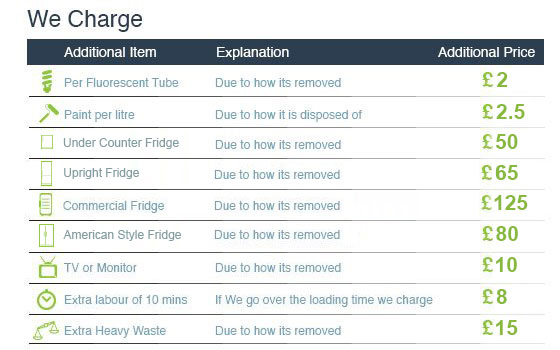
If you only have a few bags, you do not need to overcomplicate things. But if you have bags, branches, old sleepers, and a corner full of soil, you may need a bigger clearance or a different removal method. If you are comparing options, start with pricing and quotes so you can match the service to the load, not the other way around.
6. Keep the collection area clear
Move cars, tools, plant pots, and bikes out of the way. A clear path speeds up the job and reduces the risk of damage. Simple, but surprisingly easy to forget when you are mid-garden-project and the kettle is going.
Expert Tips for Better Results
If you want the job to go smoothly, a few small habits make a big difference. These are the sort of details people usually learn the hard way, after one too many soggy bags or awkward lifting jobs.
- Use sturdy bags: Thin sacks are tempting, but they split when they get wet or heavy. Double-bagging can help for damp clippings.
- Stack branches neatly: Bundled cuttings are safer and easier to move than a loose tangle.
- Keep soil separate: Soil is heavy. Very heavy. Mixing it into a green load makes the whole thing harder to shift.
- Avoid leaving waste overnight if weather is due: A small pile can become a slippery mess by morning.
- Photograph larger loads: Handy if you are asking for a quote or trying to estimate volume.
- Think about neighbours: If shared access is involved, be considerate with timing and noise.
One practical trick: if you are pruning in stages, do not wait until the end to deal with the waste. Clear as you go. It keeps the garden workable and stops the pile from becoming emotionally larger than it really is. Funny how that happens.
If the work is part of a bigger property project, the nearby builders waste clearance page can be helpful because garden jobs often drift into old paving, broken edging, or renovation leftovers.

Common Mistakes to Avoid
Most problems with garden waste removal are avoidable. They usually come down to poor sorting, bad timing, or trying to cram too much into too little space. Not glamorous. Just normal life.
- Mixing everything together: Green waste, soil, rubble, and general rubbish all in one pile can complicate removal.
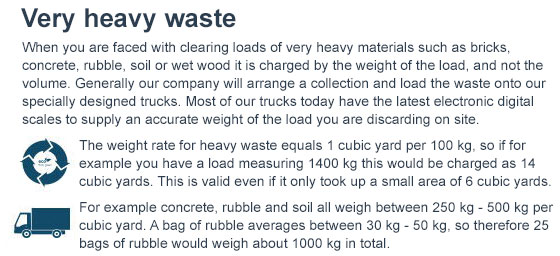
- Underestimating weight: Wet grass and soil are much heavier than they look.
- Blocking access: Waste left in a narrow path or by a gate makes collection slower and less safe.
- Ignoring weather: Rain adds weight and mess. Wind scatters light debris before you know it.
- Using the wrong container: Weak bags or open bins can split, tip, or leak.
- Leaving sharp items loose: Broken canes, rusty metal, and splintered wood can cause injury.
Another common issue is assuming everything from the garden can go in the same way. In reality, hard landscaping waste, treated timber, and oversized items may need different handling. If you are disposing of old outdoor furniture too, it may be worth looking at furniture disposal in Chiswick as part of the same visit.
And if your cleanup has spilled into the garage, loft, or house, those spaces may deserve their own clear-out rather than being forced into a garden-only job. No shame in that.
Tools, Resources and Recommendations
You do not need a huge toolkit, but the right basics make garden clearances much easier. A sensible setup helps you stay safe and work more efficiently, especially if you are dealing with thorny cuttings, heavy pots, or damp material.
Helpful tools
- heavy-duty garden waste sacks
- work gloves with a good grip
- pruning shears or loppers
- a rake and broom for small debris
- a wheelbarrow or sturdy tub for moving waste
- tarpaulin for gathering loose material
Useful planning resources
If you are comparing collection options, a local rubbish collection service may suit lighter loads, while a larger project may call for a broader clearance solution. For people trying to keep costs under control, cheap rubbish removal in Chiswick with same-day quotes is useful background reading before deciding how to proceed.
If the garden waste is tied to a house move, renovation, or estate tidy-up, you may also find it helpful to compare this with the broader house clearance approach. That is especially true when the job expands into sheds, front drives, or storage areas.
For readers near the station end of the area, there is also a practical local guide on rubbish removal near Turnham Green Station W4, which can be useful if you are planning around local access and timing.
Law, Compliance, Standards, or Best Practice
Garden waste removal is not usually complicated from a legal standpoint, but best practice still matters. In the UK, waste should be handled responsibly, and anyone taking waste away commercially should be able to do so properly. As a customer, it is sensible to check that the provider operates transparently and handles waste with care.
A few plain-English points to keep in mind:
- Do not burn waste casually: It can cause nuisance, smoke issues, and complaints, especially in built-up residential streets.
- Separate waste where practical: Green waste is easier to recycle when it is not mixed with general rubbish.
- Watch for hazardous items: Chemicals, treated materials, and sharp objects should be handled carefully.
- Choose a responsible collector: You want proper handling, not a mystery load disappearing into the night. Slightly dramatic, yes, but you get the point.
It is also wise to read a provider's policies before booking if you want a clearer sense of process and responsibility. Pages such as insurance and safety, terms and conditions, payment and security, and about us can help you judge whether the service feels professional and trustworthy.
Accessibility and fair service also matter, particularly if collection needs to be arranged around mobility, shared entrances, or narrow access points. The accessibility statement is worth a look if that affects your situation.
Options, Methods, or Comparison Table
There is no single best way to remove garden waste. The right option depends on volume, access, urgency, and how much lifting you want to do yourself. Here is a simple comparison.
| Method | Best for | Pros | Watch out for |
|---|---|---|---|
| DIY bagging and trip to a disposal point | Small loads | Low cost, flexible timing | Time, lifting, vehicle space, repeated trips |
| Local collection service | Medium loads or mixed garden debris | Quick, less physical effort, convenient | Needs clear access and accurate load estimate |
| Skip hire | Larger projects | Useful for ongoing work, flexible loading | Space, permits, and the temptation to overfill it |
| Combined clearance | Garden plus household or shed waste | One visit, less admin, better for bulky mixed loads | May cost more if waste is not sorted well |
If you are not sure which option fits, think about the waste type first and the convenience second. A small pile of hedge cuttings is one thing. A half-cleared shed, a broken parasol, and three bags of soil is another story entirely.
For many local jobs, a straightforward quote-based service is the easiest route. You can start by checking skip hire if the work will stretch over a few days, or compare it with garden waste removal in Chiswick if you want the job cleared in one go.
Case Study or Real-World Example
Here is a realistic example. A homeowner just off Chiswick High Road finishes a full back-garden tidy in early spring. There are hedge trimmings, a few sacks of leaves, some old compost, and a pile of broken plant pots. At first glance it looks like a small job. By the time everything is gathered, it takes more space than expected and the bags are heavier than they should be.
Instead of spreading the load across the front path for days, they sort the material into two groups: green waste and mixed outdoor rubbish. The lighter trimmings are bundled neatly. The heavier bits are placed separately so they can be loaded without tearing bags. Access is checked in advance, so the vehicle can stop close enough to keep carrying distance down.
The result is simple: the garden is cleared in one visit, the path is left tidy, and there is no need for repeated lifting or extra trips. Nothing flashy. Just a clean, efficient job that fits the street. That is often the difference between a garden task that feels endless and one that is done before lunch.
If that sounds like the sort of outcome you want, then a specialist collection may be a better fit than trying to make your weekend feel like a moving company trial. Truth be told, few people enjoy hauling wet branches back and forth for fun.
Practical Checklist
Use this quick checklist before collection day:
- Separate green waste from general rubbish where possible
- Remove stones, tools, and sharp items from loose piles
- Bundle branches and trim oversized cuttings
- Use strong bags that will not split when lifted
- Check whether soil, turf, or rubble needs a different plan
- Clear access routes for the collection team
- Confirm parking or loading arrangements in advance
- Keep pets and children away from the collection area
- Take a photo of the load if you are requesting a quote
- Make sure the waste is ready before the collection window starts
Expert summary: the best Garden waste removal Chiswick High Road tips are usually the simplest ones - sort well, reduce volume, protect access, and match the collection method to the size of the job. That combination saves time, reduces stress, and makes the final clear-up feel a lot more satisfying than it sounds on paper.
Get a free quote today and see how much you can save.
Conclusion
Garden waste removal on Chiswick High Road becomes much easier once you treat it as a planning task rather than a last-minute chore. Sort the waste, think about access, choose the right collection method, and avoid mixing loads that do not belong together. That is the heart of it. Nothing mysterious, just good habits.
Whether you are dealing with a quick seasonal tidy or a bigger outdoor project, the goal is the same: clear the waste cleanly, keep the area safe, and get your space back without turning the job into a weekend-eating monster. And honestly, once it is done, the whole place feels lighter. You notice the light more, the air more, even the quiet more. Nice feeling, that.
If you want to explore the wider service options, have a look at services overview or move straight to a specialist garden waste removal solution when you are ready.


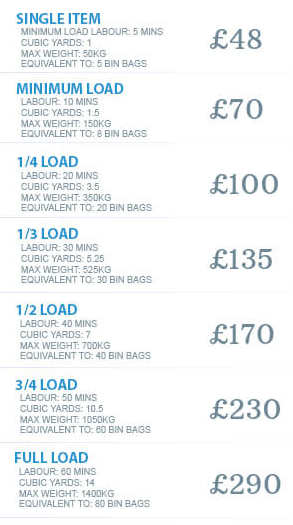
 Tipper Van - Rubbish Removal and Office Clearance Prices in Chiswick, W4
 Luton Van - Rubbish Removal and Office Clearance Prices in Chiswick, W4