Rubbish removal near Turnham Green station W4
Posted on 09/08/2026
Rubbish removal near Turnham Green station W4: a practical guide for homes, landlords, and local businesses
If you're looking for rubbish removal near Turnham Green station W4, chances are you want one thing above all: a quick, sensible way to clear unwanted waste without turning your day upside down. Maybe it's a flat clear-out after a move, a heap of old furniture from a rental, or that awkward pile of renovation offcuts that has somehow taken over the hallway. Whatever the reason, the need is usually the same - get it gone, do it properly, and avoid the stress.
This guide walks through how rubbish removal works around Turnham Green, what to expect from a good service, which mistakes people often make, and how to choose the right approach for your situation. It's written to help you make a confident decision, not just to tick an SEO box. Truth be told, most people don't want a lecture about waste - they want the room back, the path clear, and no drama with heavy lifting or disposal. Fair enough.
Along the way, you'll find practical advice for domestic clearances, landlord jobs, office and shop waste, and one-off bulky items. If you're comparing options, this should make the process much easier.
- Why rubbish removal near Turnham Green station W4 matters
- How the process works
- Key benefits and practical advantages
- Who it is for and when it makes sense
- Step-by-step guidance
- Expert tips for better results
- Common mistakes to avoid
- Tools, resources and recommendations
- Law, compliance, standards, or best practice
- Options, methods, or comparison table
- Case study or real-world example
- Practical checklist
- Conclusion
- Frequently asked questions
Why Rubbish removal near Turnham Green station W4 Matters
Turnham Green sits in a busy, lived-in part of West London. That matters because waste builds up differently here than it might in a suburban driveway or a house with a big front garden. In this kind of area, access can be tight, parking can be awkward, and time windows can be narrow. If you're near the station, you may also be dealing with foot traffic, shared entrances, or limited space for storing bags and bulky items before collection.
That's where local rubbish removal becomes genuinely useful. It's not just about taking things away. It's about handling the practical bits: lifting, loading, sorting, and making sure items end up in the right place rather than just being dumped somewhere inconvenient. For flats above shops, period conversions, and busy rental properties, that can save a surprising amount of time and hassle.
There's also a comfort factor. Let's face it, a pile of waste in a hallway or garden starts to feel heavier the longer it sits there. It affects how a place looks, smells, and functions. If you're trying to show a property, manage a tenant move-out, or simply get your home back to normal, speed and reliability matter quite a lot.
Practical takeaway: the closer the waste is to the station area and surrounding residential streets, the more helpful it is to choose a rubbish removal service that understands access, timing, and local disposal logistics.
How Rubbish removal near Turnham Green station W4 Works
In most cases, rubbish removal is straightforward. You describe the waste, agree the scope, arrange a time, and the team comes to collect it. The simple version sounds easy. The real version is a little more nuanced, especially if you have mixed waste, stairs, no lift, or items that need careful handling.
1. You explain what needs clearing
This might be a few bin bags, old wardrobes, broken appliances, garden cuttings, or the remains of a clear-out that got out of hand. A good provider will want a clear description, because pricing and vehicle size often depend on volume and weight. Photos help. So does honesty. If there's a fridge tucked behind the sofa, say so now rather than later.
2. The team assesses access and loading
In local West London streets, access is often the deciding factor. Are there stairs? Is there parking nearby? Will they need to carry items through a shared hallway? A good clearance team plans for this. It's the difference between a smooth job and one that becomes oddly complicated by a sofa that simply refuses to fit through the door. Happens more often than people expect.
3. Waste is sorted for the right disposal route
Not everything goes to the same place. Reusable items, recyclable materials, general waste, electricals, and hazardous items all need different handling. You don't need to know every disposal route yourself, but you should expect the provider to work responsibly and explain any limits.
4. Collection and loading happen on site
The main appeal is that you don't have to do the heavy lifting. Items are removed from wherever they are stored, provided access is safe and agreed. That can be a huge relief when you're dealing with broken furniture or heavy bags from a renovation.
5. Final clearance and tidy-up
Once the waste is loaded, the area should be left clear of loose debris. Not spotless in the deep-clean sense, but tidy and ready for the next step. If the space is a kitchen, garden, or rental unit, that final tidy-up can make all the difference.
If you're comparing waste services and broader property upkeep, you may also find it helpful to understand related cleaning and clearance support such as domestic cleaning and end of tenancy cleaning, especially where a clearance is part of a larger move or turnaround.
Key Benefits and Practical Advantages
There's a reason people keep searching for local rubbish removal rather than trying to solve everything themselves. It's not just convenience. In many cases, it's the most sensible use of time, energy, and even money.
- Less physical strain: heavy lifting is no joke, especially with awkward items or multiple flights of stairs.
- Faster turnaround: waste can be removed in one visit rather than sitting around for days.
- Better use of space: clearing clutter quickly makes a room usable again almost immediately.
- Reduced stress: no hiring vans, no parking puzzle, no endless trips to a disposal site.
- More suitable for mixed waste: a professional service can often handle a broader range of items than a simple bin collection.
- Useful for time-sensitive jobs: property viewings, tenant handovers, shop refits, and post-renovation clear-ups all benefit from speed.
Another advantage people sometimes overlook is coordination. If you're juggling tradespeople, family schedules, or a move, the ability to book removal at a specific time can make the whole project calmer. One job at a time. Nice and simple.
There's also a psychological benefit, which sounds a bit grand until you've lived with a cluttered spare room for six months. Clearing it changes how the whole property feels. Light comes back in. The place breathes again.
Who This Is For and When It Makes Sense
This kind of service is useful for a surprisingly wide range of people near Turnham Green station W4. You might be a homeowner sorting a garage, a tenant preparing to leave, a landlord dealing with left-behind items, or a small business owner clearing old stock and packaging. Each scenario has a different pressure point, but the underlying need is the same: efficient removal with minimal disruption.
Typical situations where rubbish removal makes sense
- House clear-outs: after a declutter, renovation, bereavement, or long-overdue reset.
- Flat and apartment clearances: especially where stairs, tight hallways, or limited parking make DIY removal awkward.
- Garden waste removal: branches, clippings, soil bags, broken outdoor furniture, and shed contents.
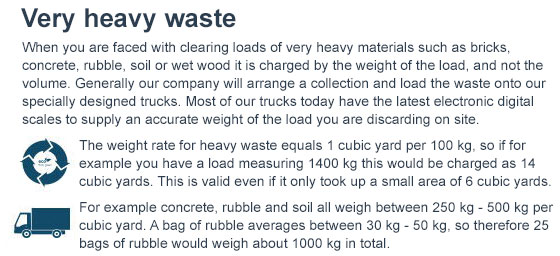
- Bulky item collection: mattresses, wardrobes, sofas, desks, and white goods.
- Lettings and landlord work: end-of-tenancy leftovers, abandoned items, and pre-works clearance.
- Retail and office clearances: packaging, shelving, fixtures, archive waste, and non-sensitive general rubbish.
If you're only dealing with a bag or two, a standard household collection might be enough. But once the job involves bulk, access issues, mixed materials, or urgency, a dedicated removal service usually becomes the better option. To be fair, that's often the moment people realise how much time they were about to spend doing it themselves.
It's also worth saying that "rubbish" can mean different things. Some people mean old furniture; others mean green waste, builders' debris, or a whole flat's worth of mixed clutter. Getting clear on the category helps you avoid mismatched expectations.
Step-by-Step Guidance
If you want the process to go smoothly, a little preparation helps. Not much. Just enough to avoid the usual last-minute scramble.
- Identify the waste type. Separate general rubbish, recyclable items, electricals, and anything that might need special handling.
- Estimate volume. Think in terms of bags, item count, or how much space the waste takes up in a room or corner.
- Check access. Note stairs, narrow passages, parking restrictions, and any shared entrances.
- Take a few photos. A couple of clear pictures often help the provider understand the job much faster than a long explanation.
- Choose the right timing. If the road is busy or parking is limited, a quieter time of day may make the collection easier.
- Set aside anything you want to keep. This sounds obvious, but items intended for disposal and items to be saved can get mixed up fast during a clear-out.
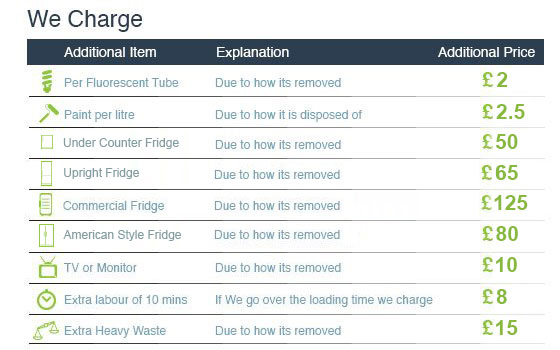
- Confirm what happens to special items. Fridges, freezers, paint, and some electricals may need extra care or separate handling.
- Walk through the finished space. A quick check at the end helps you spot anything left behind before everyone moves on.
One useful habit: make a "maybe" pile before the team arrives. If you're uncertain about a handful of things, put them together and decide on the day. That way you don't waste time rummaging through rooms while the collection is waiting. And yes, there is always one oddly sentimental object that tries to sneak back into the house.
Expert Tips for Better Results
Here's where a little experience makes the job smoother. These are the things that, in our experience, save the most time and avoid the most awkward moments.
Be precise about access
"Easy access" means different things to different people. If the only parking space is a short walk away, say so. If there's a narrow staircase, mention it. That doesn't make the job harder; it makes it better planned.
Separate sharp, heavy, or messy items
Broken glass, rusty metal, wet garden waste, and old appliances are easier to handle when they're grouped sensibly. It makes the loading safer and keeps your own space cleaner.
Think ahead if you're clearing a property for sale or rent
Sometimes the waste removal is only step one. If you need the space to present well afterwards, plan for cleaning and a final walkthrough too. A cleared room can still feel unfinished if dust, marks, or odours remain.
Don't wait until the last minute
That pile in the corner has a way of growing roots. The sooner you act, the easier the job usually is. Especially in shared buildings or busy streets where timing matters.
Ask about item types upfront
Some items may need special handling or may not be accepted in the same way as ordinary household rubbish. It's better to ask first than to assume later. Nobody enjoys discovering an exception at the kerbside.
Quick expert tip: if you're unsure whether an item counts as reusable, recyclable, or general waste, keep it separate until you get advice. It's a small thing, but it often prevents unnecessary sorting on the day.
Common Mistakes to Avoid
Most rubbish removal problems are avoidable. The same patterns crop up again and again, and honestly they're pretty easy to spot once you know what to look for.
- Underestimating the volume: what looks like "a few items" can become a van-load once everything is gathered together.
- Forgetting access details: stairs, parking, and restricted entry can affect both timing and cost.
- Mixing keep and discard piles: a classic mistake, especially during moving day.
- Leaving special items unmentioned: electricals and bulky appliances should be flagged early.
- Choosing solely on price: the cheapest quote is not always the best value if it leads to delays or extra charges.
- Not checking tidy-up expectations: some services remove waste but do not sweep up debris unless agreed.
A common one near busy stations is parking optimism. People assume the vehicle can stop right outside. Sometimes it can. Often it can't. Better to plan for the reality of local streets than the ideal version in your head.
Another mistake is assuming all waste can be thrown together. It can't, not responsibly. Keeping the different streams separate where possible makes the whole process smoother and more compliant.
Tools, Resources and Recommendations
You don't need a warehouse of equipment to prepare for a rubbish collection, but a few basic tools make life easier.
- Heavy-duty bin bags: useful for loose household waste, soft furnishings, and small mixed items.
- Marker pen and labels: helpful if you want to tag items as keep, donate, or remove.
- Gloves: sensible for sorting through dusty loft items, garden waste, or broken materials.
- Phone camera: photos help with quoting and planning.
- Tape measure: handy for large furniture, awkward doorways, or built-in items.
- Flat boxes or crates: useful for separating smaller breakables or mixed bits and pieces.
If your clearance is part of a move, refurbishment, or tenancy change, combine it with a simple room-by-room plan. Clear the largest items first, then the loose waste, then the odd bits hiding behind furniture. It sounds basic because it is - but basic works.
If you're managing property turnover, related services such as window cleaning can be useful once the rubbish is gone, especially where you want the space to feel bright and finished rather than just empty.

Law, Compliance, Standards, or Best Practice
Waste disposal in the UK is not something to wing. You don't need to become an expert in environmental law to book a clearance, but you should expect responsible handling. In practice, that means using a service that disposes of waste properly, avoids fly-tipping, and can explain what happens to different item types in plain English.
There are also practical best practices worth keeping in mind:
- Use a responsible carrier: legitimate waste collectors should operate with the right permissions for the work they do.
- Keep records where appropriate: businesses and landlords often need proof of lawful disposal or transfer.
- Handle hazardous or specialist waste carefully: items like paint, chemicals, and certain electricals may need separate treatment.
- Be honest about contents: hidden contaminants create safety and disposal issues.
- Check what is and isn't included: some services remove waste only, while others also sweep, sort, or dismantle items.
If the job involves a business premise, flat block, or rented property, extra care makes sense. Shared entrances, communal bins, and tenant obligations can all create avoidable friction if nobody has thought them through. A little paperwork and a clear plan go a long way.
For anything potentially sensitive - electrical waste, unknown liquids, or items with sharp edges - caution is better than guesswork. That's just common sense, really.
Options, Methods, or Comparison Table
People near Turnham Green station usually end up choosing one of three broad approaches: doing it themselves, using council-style disposal routes where available, or booking a professional rubbish removal service. Which is best depends on time, access, and the amount of waste involved.
| Option | Best for | Strengths | Limitations |
|---|---|---|---|
| DIY removal | Small loads, reusable vehicle access, simple waste | Flexible timing, direct control | Heavy lifting, parking, multiple trips, time-consuming |
| Standard collection route | Routine household waste and limited bulky items | Predictable for everyday disposal | Not ideal for mixed clearances or urgent jobs |
| Professional rubbish removal | Bulky items, time-sensitive clear-outs, awkward access | Fast, convenient, minimal effort on your part | Usually costs more than doing it yourself, but often saves time and hassle |
There isn't a universal winner. If you only have a few lightweight bags and a car, DIY may be perfectly fine. If you're on a top floor with a broken wardrobe and a tight deadline, professional help starts looking very sensible indeed.
One thing to remember: the "cheapest" method can become expensive when you factor in fuel, parking, missed work, wasted time, and the mild regret of trying to wrestle a sofa through a narrow stairwell. Ask anyone who's done it. They'll sigh before they answer.
Case Study or Real-World Example
Consider a typical local scenario: a two-bedroom flat near Turnham Green station needs clearing after a tenant move-out. There are a few bin bags, an old mattress, some flat-pack furniture, a broken desk chair, and several smaller items stored in a hallway cupboard. The property also needs to be ready for photographs the next day.
In that kind of situation, the most efficient approach is usually to bundle everything into one planned collection rather than piecing the job out over several days. The team arrives, checks access, removes the bulky pieces first, then the loose waste, and leaves the main areas usable again. If the hallway is narrow and the stairs are awkward, a local crew that knows the area will usually move faster because they've seen these layouts before.
What made the difference here was not just speed. It was coordination. The landlord didn't have to arrange multiple trips, the outgoing tenant didn't need to manage disposal logistics, and the letting agent could move on with the next stage of the turnaround. A basic job? Sure. But a well-handled one saves everyone a headache.
That's the quiet value of a good rubbish removal service. It turns a messy, slightly annoying task into something tidy and finite. Done once, done properly.
Practical Checklist
Use this quick checklist before booking or confirming a collection.
- Have you listed everything that needs removing?
- Do you know which items are bulky, heavy, or awkward?
- Have you checked access, stairs, and parking?
- Have you taken a few clear photos?
- Have you separated items you want to keep?
- Are there any electricals, liquids, or special items to mention?
- Do you need the space tidied afterwards?
- Is the collection timed around a move, viewing, or trade job?
- Have you asked how the service handles mixed waste?
- Do you understand what is included in the price or quote?
If most of those boxes are ticked, you're usually in good shape. No need to overcomplicate it.
Conclusion
Rubbish removal near Turnham Green station W4 is really about making a local problem simple again. Whether you're clearing one awkward item or an entire flat's worth of clutter, the best service is the one that handles access, timing, lifting, and disposal without adding to your stress.
What matters most is clarity: know what needs removing, be honest about access, and choose a service that treats the job properly. That way you avoid the usual frustration, save time, and get your space back sooner than you expected.
If you're ready to clear the decks, start with a clear inventory, a few photos, and a practical plan. Small steps, but they add up quickly.
Get a free quote today and see how much you can save.
And once the clutter is gone, you'll notice it straight away - the room feels lighter, the air feels easier, and suddenly the day looks a lot more manageable.


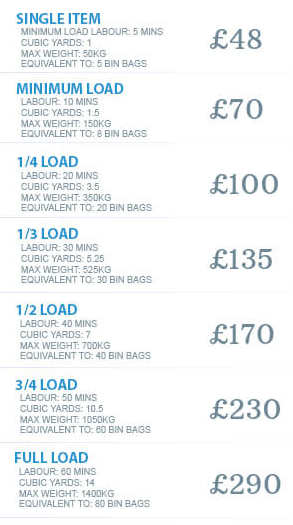
 Tipper Van - Rubbish Removal and Office Clearance Prices in Chiswick, W4
 Luton Van - Rubbish Removal and Office Clearance Prices in Chiswick, W4